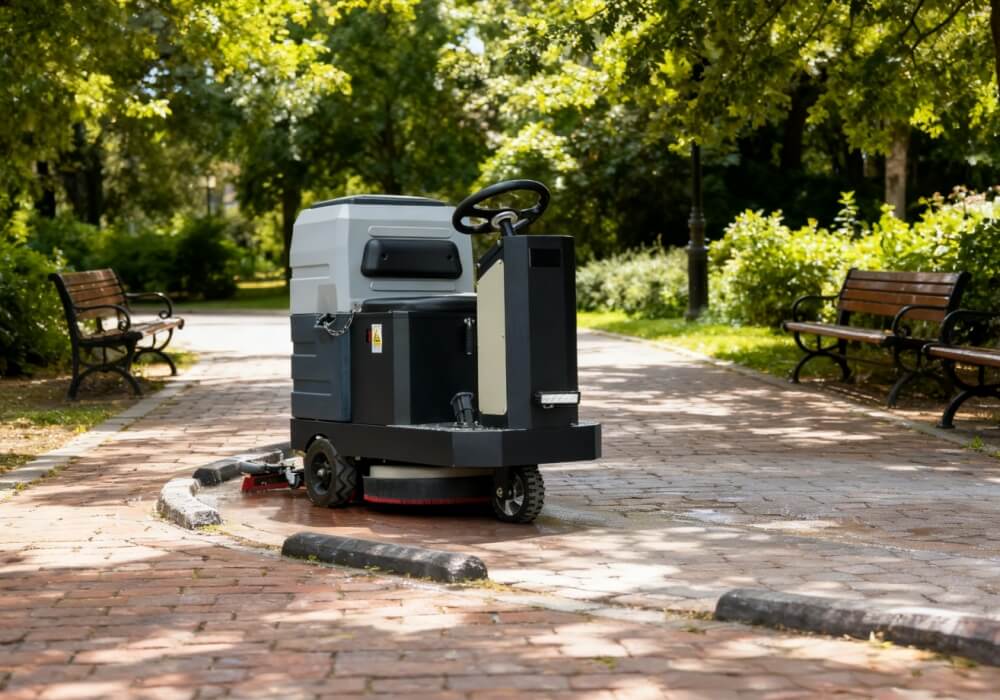
Factory floors in manufacturing plants are exposed to oil, dust, and metal shavings every day. Effective cleaning requires equipment that can remove different contamination types without interrupting production. Industrial floor cleaning machines can reduce manual cleaning time by more than 50% in large facilities, while scheduled maintenance programs introduced after 2020 have helped many manufacturers improve workplace cleanliness and reduce slip-related incidents.
Manufacturing areas generate multiple types of waste depending on the production process. CNC machining creates metal chips and coolant residue, welding produces fine particles, and assembly lines often leave behind oil marks and packaging debris. A cleaning method that works for dry dust may not remove oily deposits, so factories usually combine sweeping, vacuuming, and floor scrubbing equipment.
Oil contamination is common in automotive plants, machinery workshops, and metal processing facilities. Hydraulic oil, lubricants, and cutting fluids can spread across concrete or epoxy floors if leaks are not cleaned quickly. Studies from industrial safety organizations have shown that poor floor conditions contribute to a significant percentage of workplace slip incidents, with some manufacturing environments reporting more than 30% of floor-related safety complaints caused by oil or liquid residue.
Removing oil requires more than simple sweeping. Industrial scrubber dryers use rotating brushes, water flow, and cleaning agents to loosen oily layers before collecting the wastewater. In facilities operating multiple shifts, daily scrubber cleaning can maintain better floor conditions compared with occasional manual washing.
“A factory floor should be cleaned according to the type of contamination produced, not only according to the size of the working area.”
Dust control is another important part of factory maintenance. Fine particles from grinding, cutting, and polishing can spread throughout production spaces. Particles smaller than 100 microns are easily moved by air movement and vehicle traffic, allowing dust to settle on machines, shelves, and electrical components.
In precision manufacturing environments, dust management is often connected with product quality. A 2023 industrial maintenance report found that more than 60% of surveyed facilities increased cleaning frequency around sensitive equipment areas to reduce contamination problems. High-efficiency vacuum systems and industrial sweepers are commonly used because they collect fine particles without spreading them back into the workplace.
Metal shavings require different handling methods because they can damage equipment surfaces and create safety concerns. Steel chips from drilling and milling operations may have sharp edges, while aluminum fragments can mix with coolant and form sticky residues. Standard brooms often move these materials around instead of removing them completely.
Industrial vacuum cleaners with strong filtration systems are suitable for collecting small metal particles. Some factories also use magnetic collection tools for steel debris. The correct equipment selection depends on the material type, particle size, and daily production volume.
| Contamination | Common Source | Suitable Cleaning Equipment |
|---|---|---|
| Oil and grease | Hydraulic systems, machining fluids | Floor scrubber dryers, industrial degreasers |
| Metal shavings | CNC cutting, drilling, milling | Industrial vacuum cleaners, magnetic collectors |
| Fine dust | Grinding, polishing, welding | Filter vacuum systems, industrial sweepers |
| Mixed waste | General production areas | Combination sweeper and scrubber machines |
Large production facilities often require machines that can clean thousands of square meters per hour. Ride-on sweepers are frequently used in warehouses and manufacturing halls because operators can cover wide areas with less manual labor. Some industrial sweepers can clean over 10,000 square meters within a working shift depending on floor conditions and machine capacity.
For factories needing both debris collection and surface washing, combination machines provide a practical option. Equipment suppliers such as LVTONG factory cleaning provide floor cleaning solutions designed for industrial environments where oil, dust, and solid debris appear together.
Floor material also affects cleaning equipment selection. Concrete floors can handle stronger brush pressure, while epoxy-coated floors require controlled settings to prevent surface wear. Vinyl and resin floors may need softer brushes and lower chemical concentrations. Incorrect cleaning parameters may shorten floor service life and increase maintenance costs.
A cleaning schedule should match factory operation conditions. A small assembly area may need cleaning once per day, while a metal processing workshop running 24 hours may require several cleaning cycles per shift. A 2022 facility management survey showed that factories using planned cleaning schedules reduced emergency cleaning requests by approximately 40%.
| Factory Area | Recommended Cleaning Frequency |
|---|---|
| CNC machining zone | Multiple times per shift when oil or chips accumulate |
| Warehouse aisle | Daily or according to traffic volume |
| Assembly area | Daily cleaning after production |
| Storage room | Weekly or based on dust levels |
Operator training also affects cleaning performance. Workers should understand how to adjust brush pressure, water volume, detergent concentration, and waste collection settings. Poor equipment operation may leave residue behind or increase water and chemical consumption.
Modern factories are also paying more attention to environmental requirements. Battery-powered cleaning machines are increasingly used in indoor facilities because they produce no direct exhaust emissions during operation. Compared with older fuel-powered equipment, electric models can reduce noise levels and improve indoor working conditions.
Water usage is another consideration. Advanced scrubber dryers recover used water immediately after washing, allowing the floor to dry faster. Some models can reduce water consumption by more than 30% compared with traditional manual cleaning methods.
Regular equipment maintenance helps keep cleaning performance stable. Brushes, filters, squeegee blades, batteries, and wastewater tanks require scheduled inspection. Replacing worn components at the correct time prevents reduced cleaning ability and unexpected machine downtime.
Factories should evaluate several factors before purchasing cleaning equipment:
-
Floor area and daily cleaning distance
-
Type and amount of contamination
-
Required cleaning speed
-
Floor material and coating condition
-
Available storage and charging space
-
Operator experience level
The growth of automated manufacturing has increased requirements for cleaner production environments. Robotic equipment, sensors, and precision machines often require lower dust levels and better housekeeping practices. Between 2019 and 2025, many industrial facilities increased investment in automated cleaning solutions as production areas became larger and more complex.
Factory floor cleaning for oil, dust, and metal shavings requires a combination of suitable machines, correct cleaning methods, and regular maintenance. Sweeping equipment removes loose debris, scrubber dryers handle oil and liquid residue, and industrial vacuum systems collect fine particles and metal fragments. A structured cleaning program helps factories maintain safer floors, protect equipment, and support stable daily production.